
Development Drives Achievement
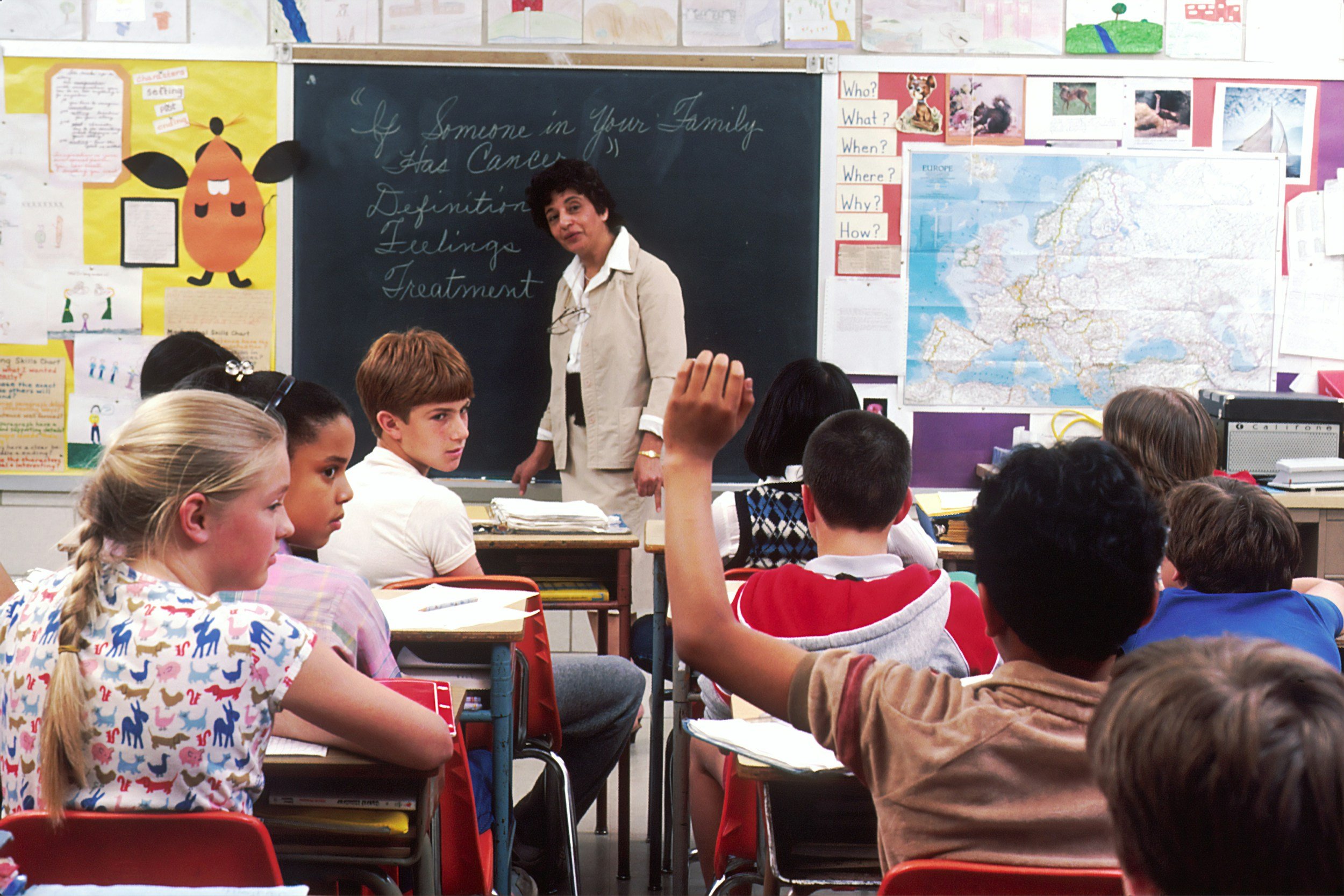
Students don’t arrive equally ready to learn.
They bring different levels of energy, focus, emotional regulation, and resilience into the classroom each day—yet face the same academic demands.
We make readiness visible.
By connecting mind, body, and energy to learning demands, teachers gain clearer insight into why students struggle—and how to calibrate expectations without lowering standards.
When readiness improves, classrooms stabilize.
Supporting Student Growth With Greater Clarity and Confidence
MIND
FOCUS | RESILIENCE | CONFIDENCE | MOTIVATION
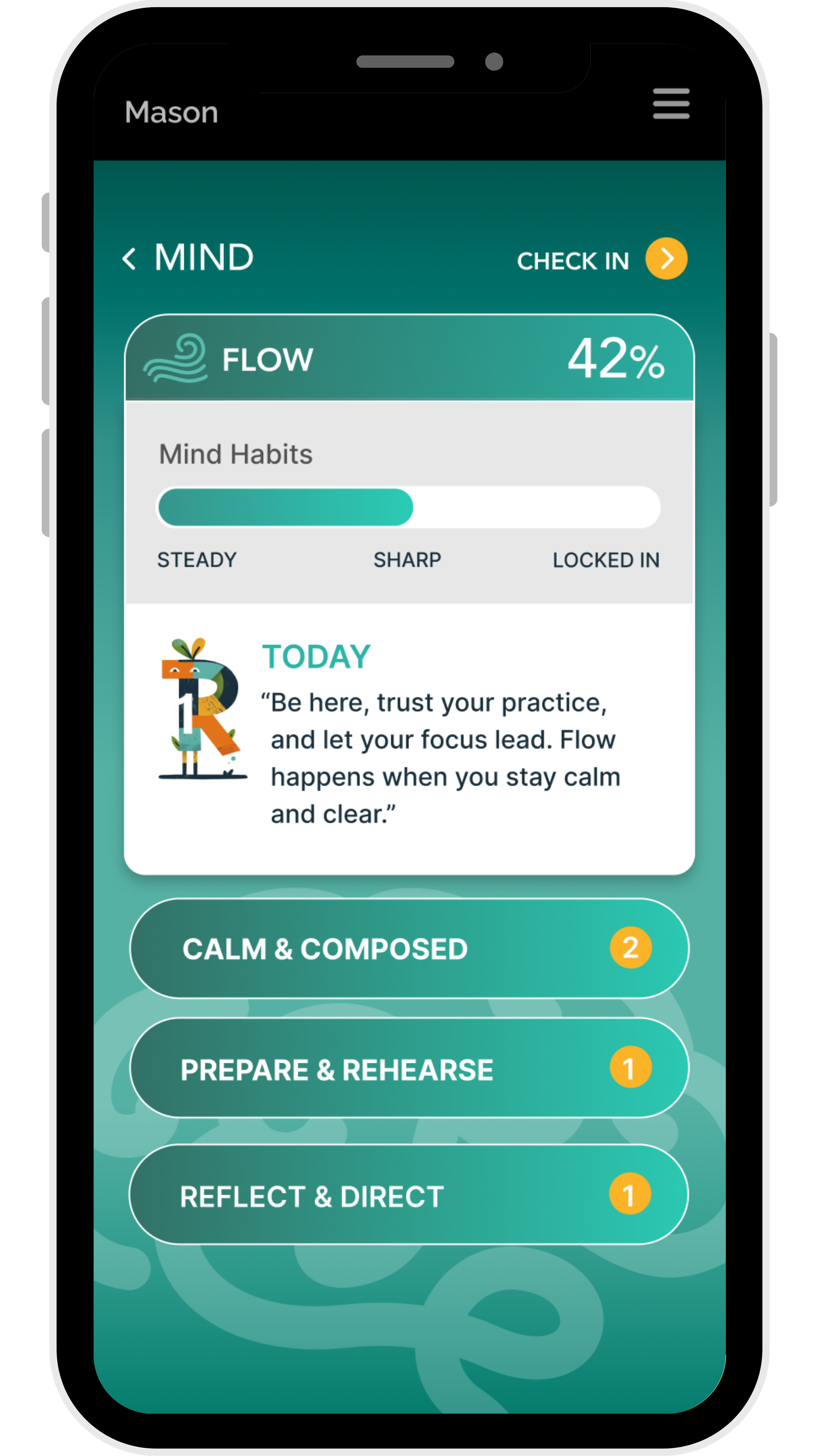
Gain clearer insight into students’ current state of focus, confidence, and emotional regulation.
Students are guided through simple, age-appropriate tools that support calm, attention, and readiness to learn, helping them arrive more settled and prepared for the school day.
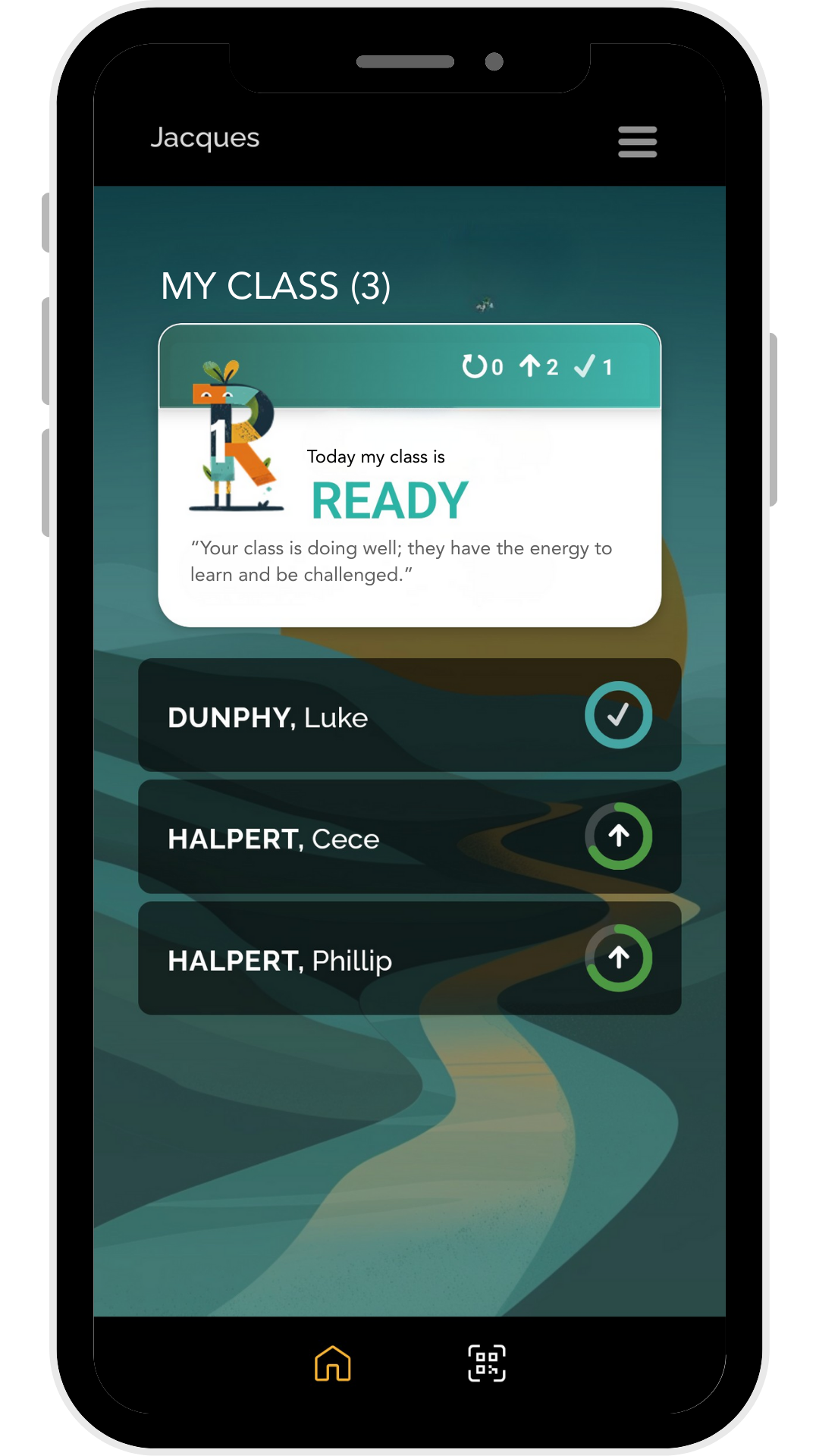
Teachers can see high-level indicators of how attention, emotional load, or confidence may affect learning readiness, enabling proactive rather than reactive support.

BODY
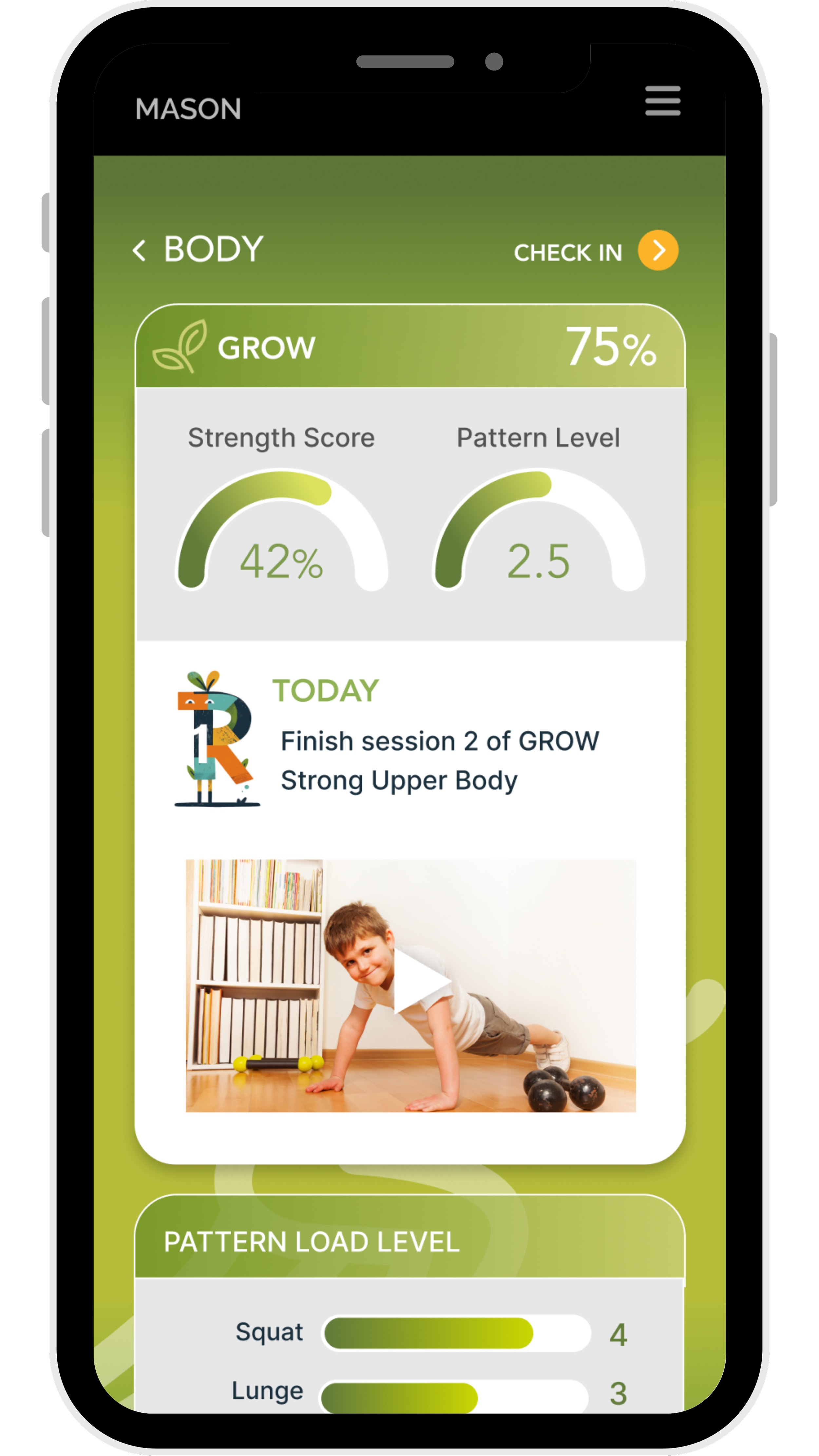
Students build foundational physical readiness through simple movement, strength, and coordination activities that support posture, control, and comfort throughout the day.
These foundations help students sit, move, and engage more effectively, supporting sustained attention and reducing physical restlessness.
Teachers see whether physical readiness may be contributing to fatigue, disengagement, or difficulty sustaining participation, without needing to manage or deliver physical programming themselves.
PHYSICAL LITERACY
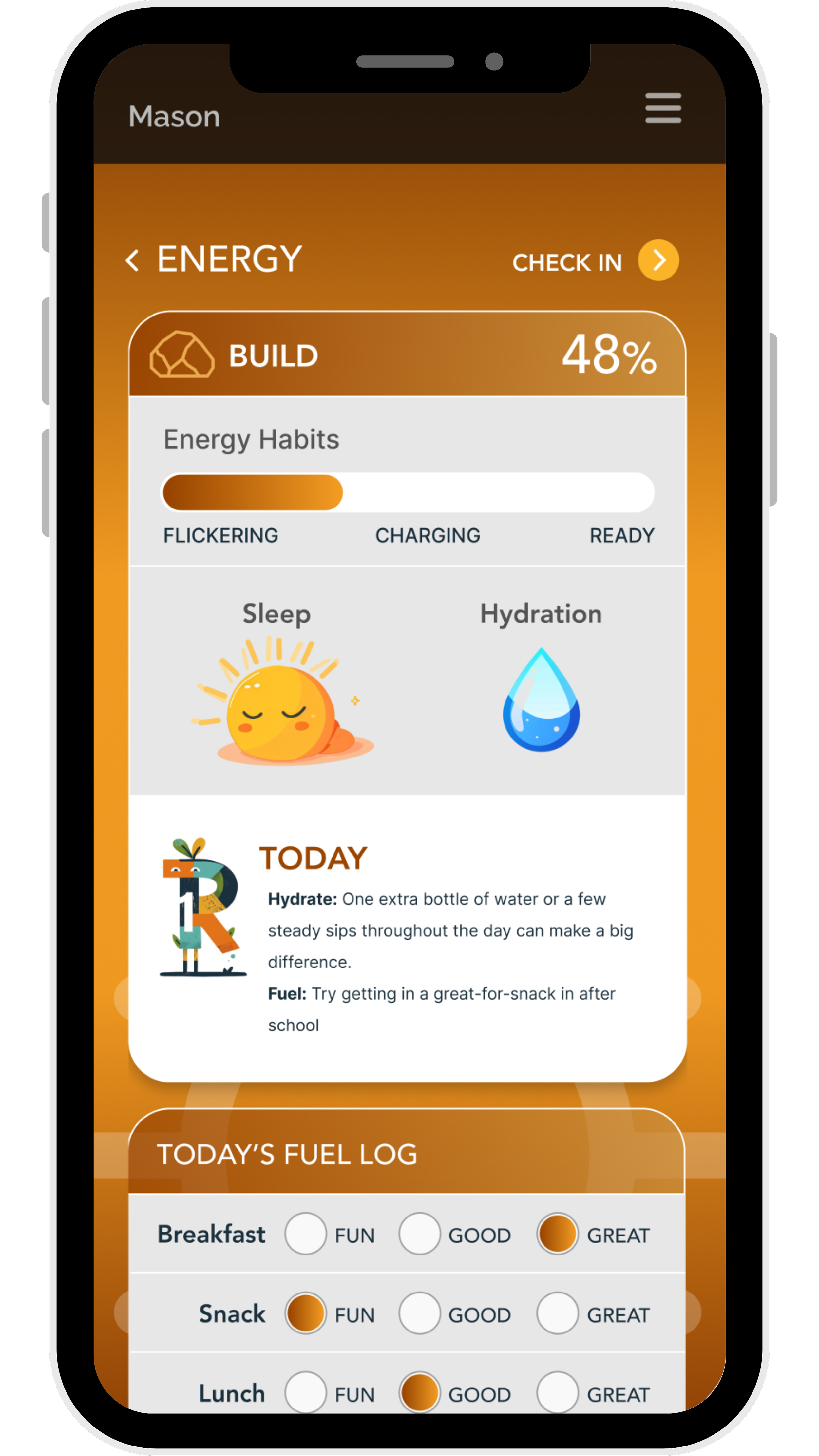

ENERGY
SLEEP | FUEL | HYDRATIONStudents develop awareness around sleep, fueling, hydration, and recovery habits that support steady energy and cognitive endurance across the school day. Teachers gain insight into patterns that may influence alertness, participation, and consistency, helping to explain fluctuations in engagement without attributing them solely to effort or behavior.

What Teachers
Told Us They Need
Ready First was shaped by what teachers experience every day: wide differences in student readiness, rising cognitive and emotional load, increasing behavioral challenges, and shrinking margins for error in already full school days.
Rather than adding another initiative to manage, Ready First supports readiness across mind, body, and energy in a simple, developmentally aligned way, so your teaching decisions better match what your students can realistically sustain, engage with, and learn from.
Focus, Regulation & Learning Readiness
Ready First helps make learning readiness more visible. When you understand how ready your students are to learn based on how well they take care of themselves outside of school, you can adjust pacing and expectations without guessing, escalating, or overcorrecting.
Confidence, Engagement & Emotional Balance
By aligning demands with readiness, your students are better able to participate, persist, and respond to challenge. Confidence is built through preparation and support, not pressure or fear of failure.
Daily Habits That Support Learning
Ready First reinforces the everyday habits that underpin learning, physical capability, sleep, nutrition, hydration, and recovery, without placing you in the role of enforcer, counselor, or caregiver. We help your students and their parents/caregivers build awareness of how these habits affect attention, mood, and learning capacity over time.
Time, Cognitive Load & Teacher Burnout
By supporting readiness upstream, Ready First reduces reactive classroom management. You spend less time responding to fatigue-driven behaviors and more time teaching and inspiring.

Ready First is not another compliance program.
It does not diagnose, label, or track students.
It does not ask teachers to monitor sleep, food, or home life.
It does not add reporting, enforcement, or disciplinary responsibilities.
Ready First exists to support teaching, not to shift responsibility onto educators for factors beyond the classroom.
When readiness is supported consistently, teaching becomes clearer, calmer, and more humane—for students and educators alike.