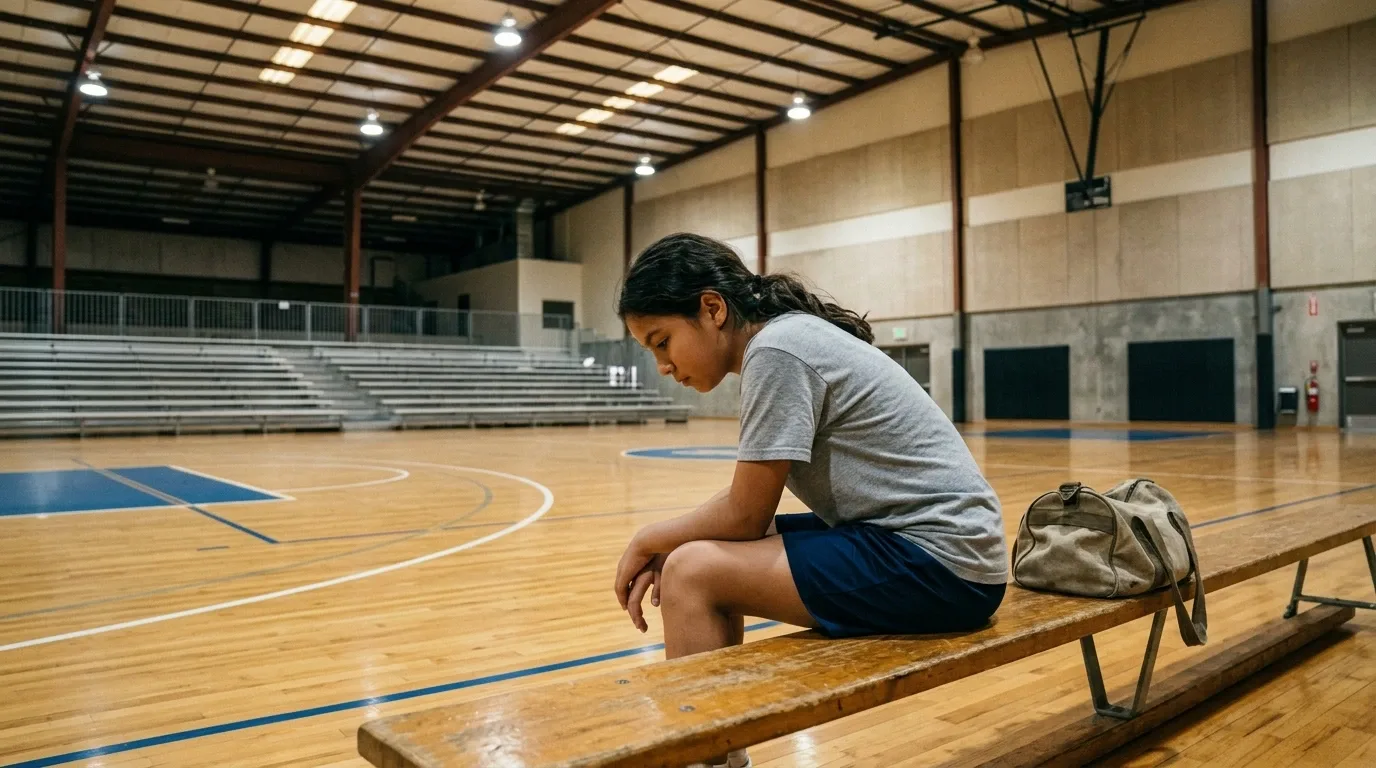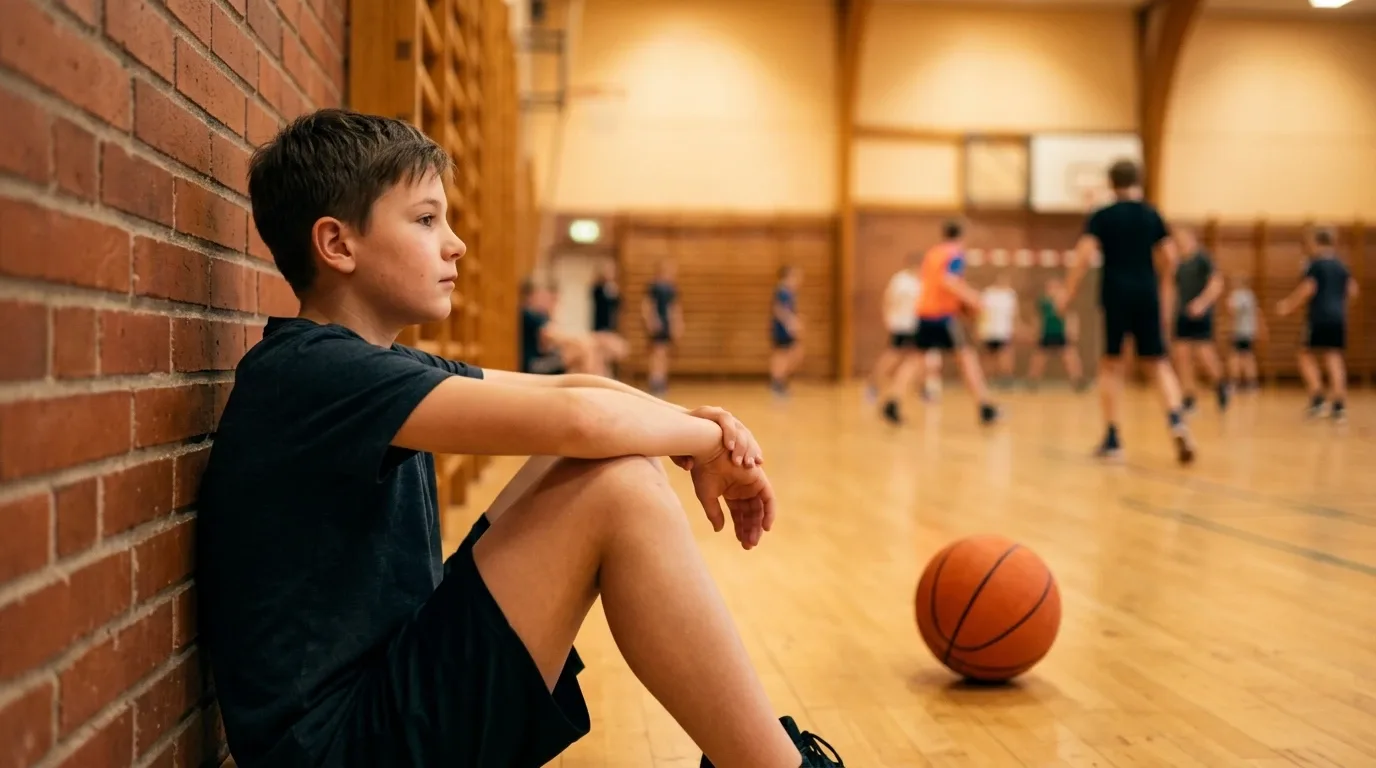
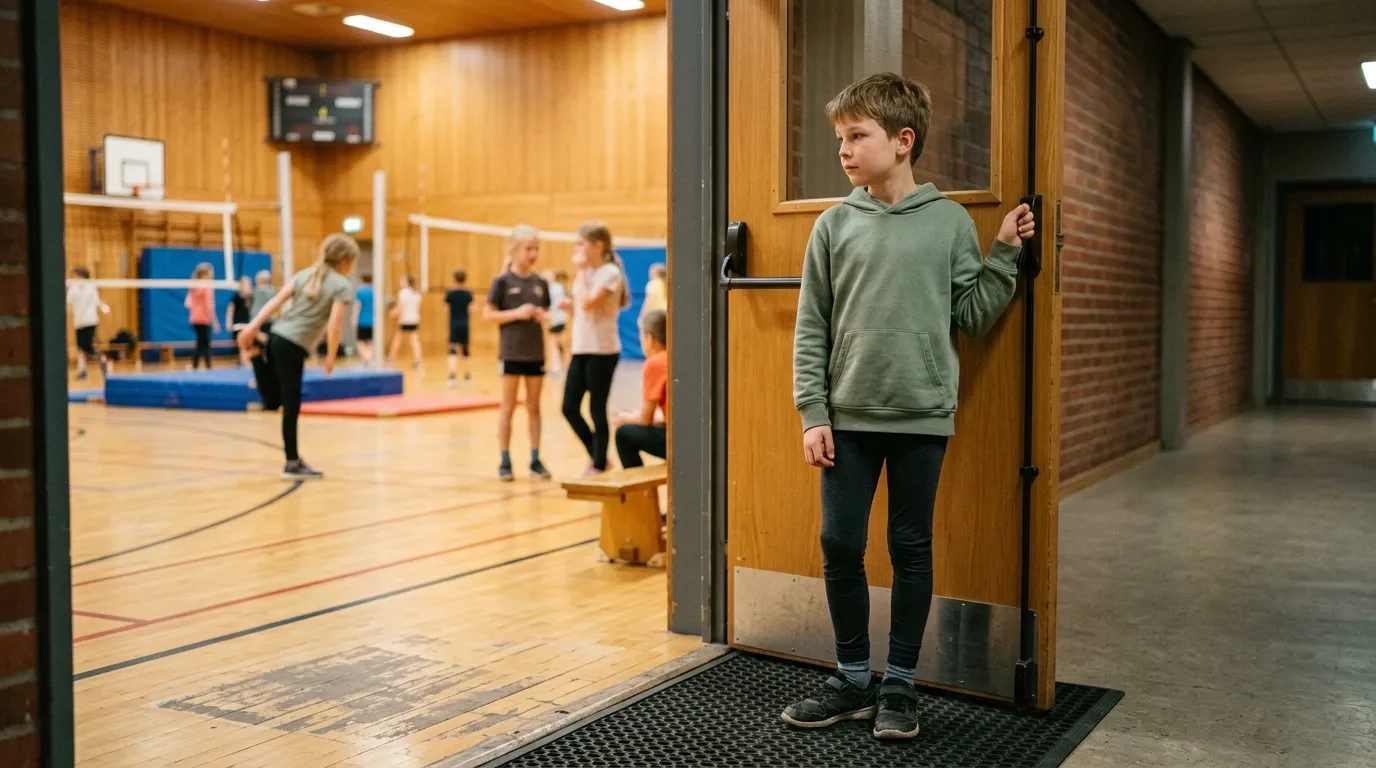
Belonging is not something youth bring with them. It is something adults create around them.
Belonging is not an individual trait – it is an environmental outcome. When adults design environments where young people feel seen, safe, and valued, participation takes care of itself.
In youth sports, participation is often framed as a child-level issue: confidence, toughness, motivation. But when young people leave, it is rarely because they lack grit. More often, it is because the culture and environment constructed by adults gradually drain their energy.
Belonging is a system condition. And systems are shaped – intentionally or not – by coaches, parents, teachers, and program leaders.
The real barrier: environments that require kids to adapt instead of adults
Many youth sport environments are designed for efficiency, tradition, or adult expectations – not for the development of humans. Belonging energy leaks when adults assume “how we’ve always done it” works for everyone, confuse discipline with emotional safety, value compliance over curiosity, leave cultural norms implicit instead of explicit, and expect youth to tolerate harm for the sake of the team.
Culture speaks louder than access. A program can be affordable, well-equipped, and close to home – and still feel unsafe.
Young people are constantly scanning: Am I allowed to be myself here? What happens if I make a mistake? Who gets protected, and who gets blamed? Do the adults notice when something feels off?
Belonging is modeled, not mandated. Youth learn norms of belonging by observing adults – especially during moments of stress.
Building belonging through adult culture and environment
The shift starts with environment design rather than behavior management. When expectations are made explicit and shared, when adults are trained to notice quiet disengagement, when repair is practiced as a skill rather than treated as an exception, and when parents, coaches, and teachers align around shared values – belonging becomes a system feature, not an accident.
See readiness in action.
R1 is building the first national readiness study for youth athletes. 100,000 children across multiple sports.