Skip to content
A philanthropic opportunity
1,000 IRB validation cohort 100K Founding Scholars $5M catalytic ask

Every year, millions of children leave sport. Nobody has measured WHY with the HOW, until now.

The evidence engine starts day one. The validation study is underway. The partner research network runs for decades. $5M is the bridge from proof to permanent.
Why this exists

Everyone sees the dropout. No one sees what came before it.

30 million young athletes enter sport in the US
24% drop out every year ~97% lack the integrated support below 51% of non-participants: fear of injury 1 in 5 sustain serious injury Psychologist S&C Coach Nutritionist Physician Recovery Data & Visibility The few who make it through had full support. Everyone else had nothing. Full sources available at youthreadyfirst.com/study

Injury-fear figure: Aspen Institute Youth Athlete Survey, 2025 (among non-participants in sport). Support-access figure: Ready Collective internal analysis, infrastructure-to-participation ratio.

Age 12
Average age a child leaves sport
82% → 39%
Participation from 7th to 12th grade

Every sector knows these numbers. Nobody can measure what’s driving them inside individual children.

Facilities are funded.
Participation is funded.
Readiness has never been.

Aspen Institute Project Play · Sports Health, 2024

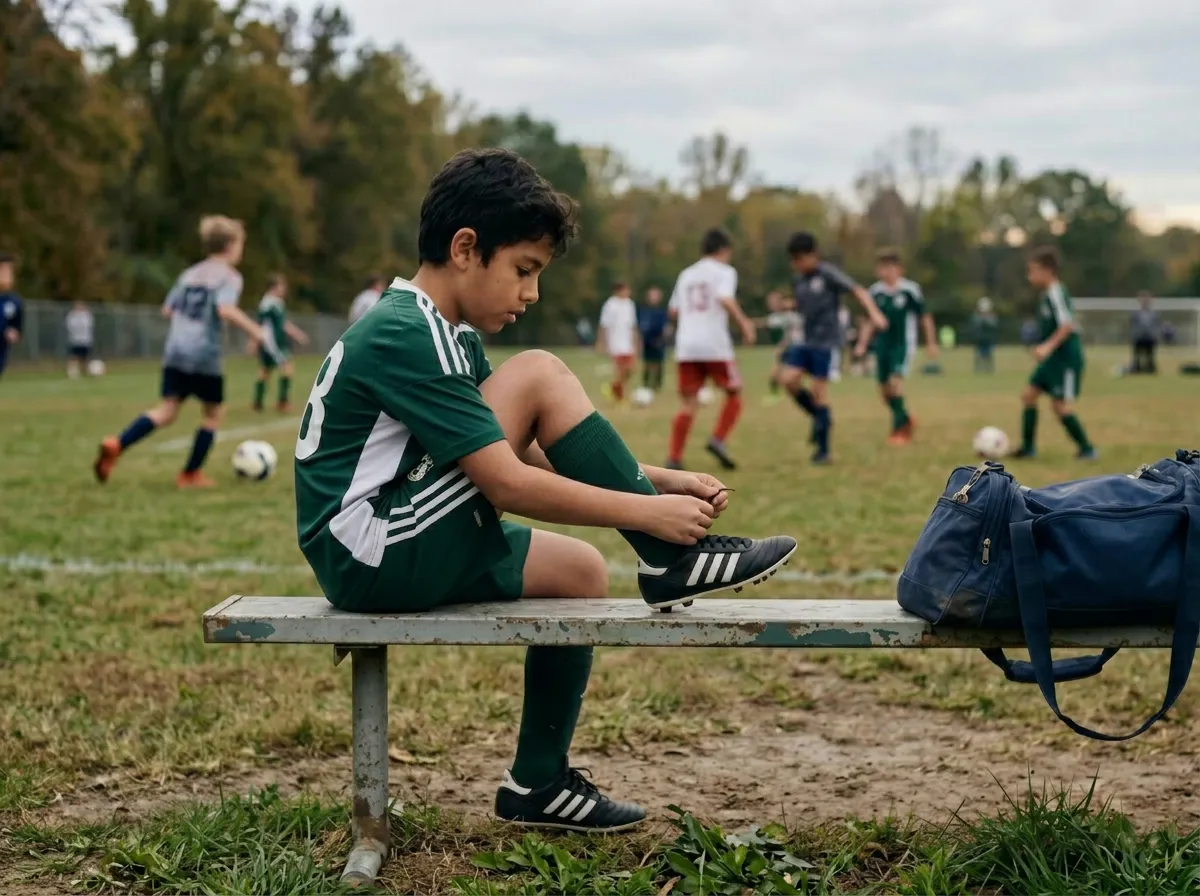
A young boy in a green soccer kit sits on a sideline bench tying his cleats, teammates practicing on the field behind him
What R1 measures

The same child. Two different outcomes.

R1 measures Mind, Body, and Energy through validated instruments and a daily check-in. It doesn’t take snapshots. It reads readiness continuously, adapts to each child, and speaks to coaches and parents in their own language.

Ready Rising Rebuilding R1 R1 With R1 Without R1 adolescent dip 6 9 12 15 17 age

Every child dips between 12 and 15. R1 is what lets coaches ride it and parents trust it.

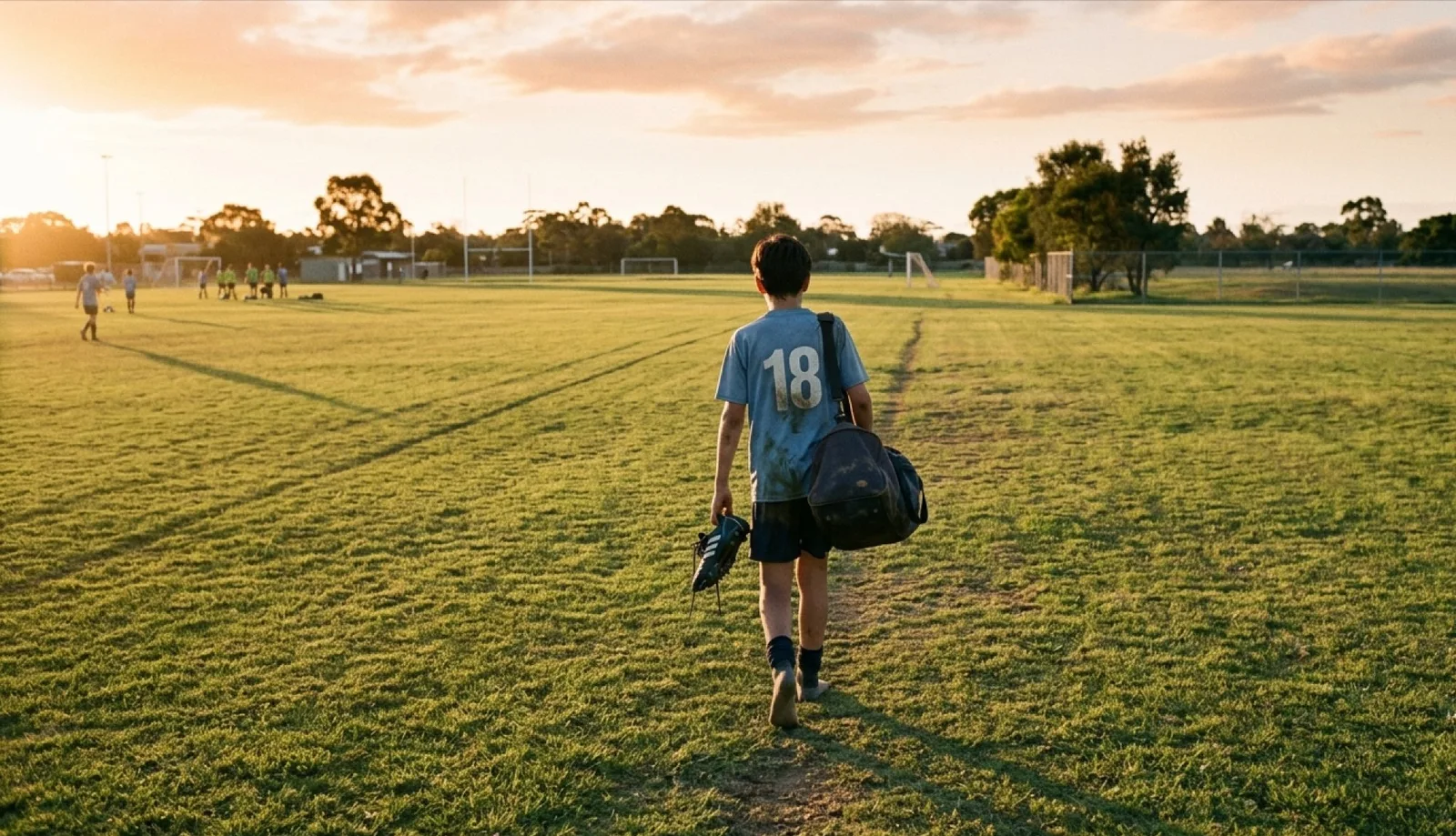
A boy in a blue number 18 jersey walks alone across a grass field at golden hour, cleats in one hand and bag over his shoulder, teammates distant behind him

Behind every data point in this study is a child whose readiness has never been measured.

Not because the technology didn’t exist.
Because no system existed that integrates Mind, Body, and Energy into a readiness signal.

The research architecture

Three layers. One evidence engine that never stops.

Any tool can generate data. The architecture is what determines whether it becomes science. R1 is structured to produce peer-reviewable findings, continuously scalable real-world evidence, and an open dataset that academic partners can work with for decades. All three layers run in parallel from day one.

Layer 1

The Validation Study

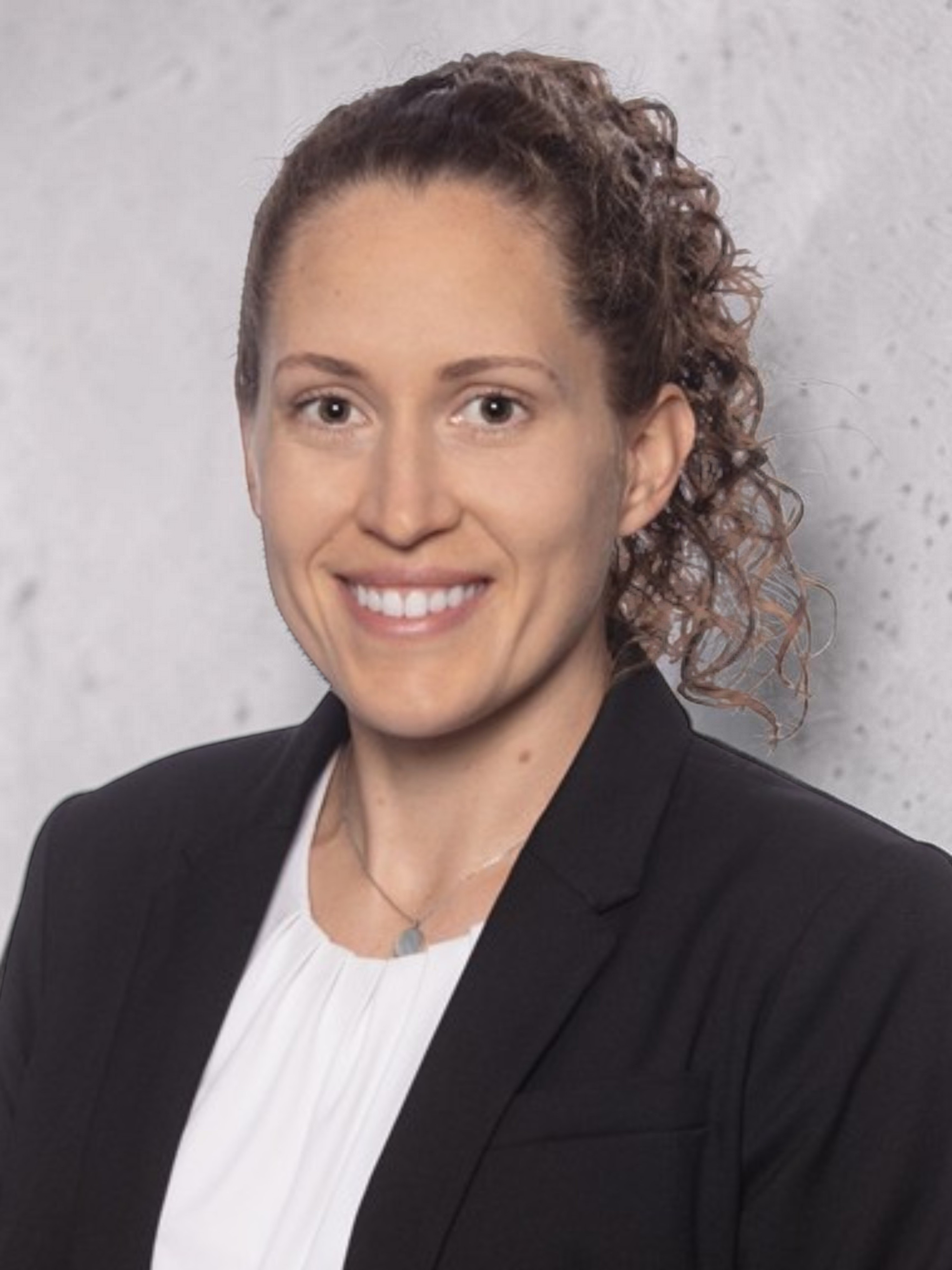
An 18-month longitudinal protocol with 1,000 athletes and a matched control group drawn from non-participating registrants at the same clubs. Principal Investigator: Dr. Alexandra Abbott, MD, board-certified pediatric sports medicine physician at Stanford Children’s Health. IRB: Pearl, AAHRPP-accredited.

Primary outcome measures include injury incidence, sport withdrawal rate, and Validated Athlete Burnout Questionnaire (ABQ) scoring administered every three months. Co-investigators include Dr. Kritz, Brian Alexander, and Dr. Swinbourne.

This layer publishes. Clinical sports medicine journals. Peer-reviewed findings tied to named investigators and a credentialed institution.

Layer 2

The Platform Evidence Engine

Every R1 user generates Mind, Body, and Energy scores, retention data, and engagement patterns from day one. Under the consent architecture built into R1 onboarding – COPPA-compliant, parental consent for research use captured at enrollment – this data becomes a continuously growing real-world evidence dataset.

100,000 Founding Scholars in Year 1. Hundreds of thousands as the commercial platform scales in Year 2. Millions at the North Star. This layer doesn’t end when the grant period closes. It scales with R1’s commercial growth and produces ongoing reports on athlete development, readiness, and participation at a scale no institution currently has.

Layer 3

The Partner Research Network

De-identified datasets flow under Data Use Agreements to university labs, policy research institutions, and academic partners. Each runs secondary analyses through their own IRB and publishes under their own institutional credibility.

One Abbott paper from Layer 1. Ten to fifty papers from Layer 3 over five years, across research questions the original study wasn’t designed to answer. The donor’s capital doesn’t fund a private research project. It seeds an evidence commons.

Study timeline

Pilot complete
Q1 2026
Pearl IRB approved
Q1 2026
Founding Scholar enrollment
Q2–Q3 2026
Study years 1–2
2026–2028
First publication
2028
Catalytic proof capital

What $5M builds.

This is not a sustaining grant. It’s the bridge from proof to permanent self-funding. Every dollar does three jobs at once: it buys two years of R1 for a child who couldn’t otherwise afford it, it seeds the validation science, and it starts an evidence engine that runs at no additional philanthropic cost once the commercial platform scales.

Founding Scholar enrollment opens now. The validation study runs inside that population, generating peer-reviewable evidence tied to exactly the outcomes that move policy and philanthropy: burnout, injury, dropout. The platform dataset starts generating real-world evidence on day one and never stops.

The North Star is 15 to 20 million annual R1 Scholarships, funded by the pay-it-forward commercial model. When a club or organization pays for R1, a share of that revenue seeds access for athletes who can’t afford it. After this raise, philanthropic capital is no longer required for scholarships at scale. That is the catalytic part.

$50
per child – two years of R1 access
100K
Founding Scholars in Year 1
$5M
funds the entire Founding Scholar program and validation study
Facilities are funded. Participation is funded. Readiness has never been.
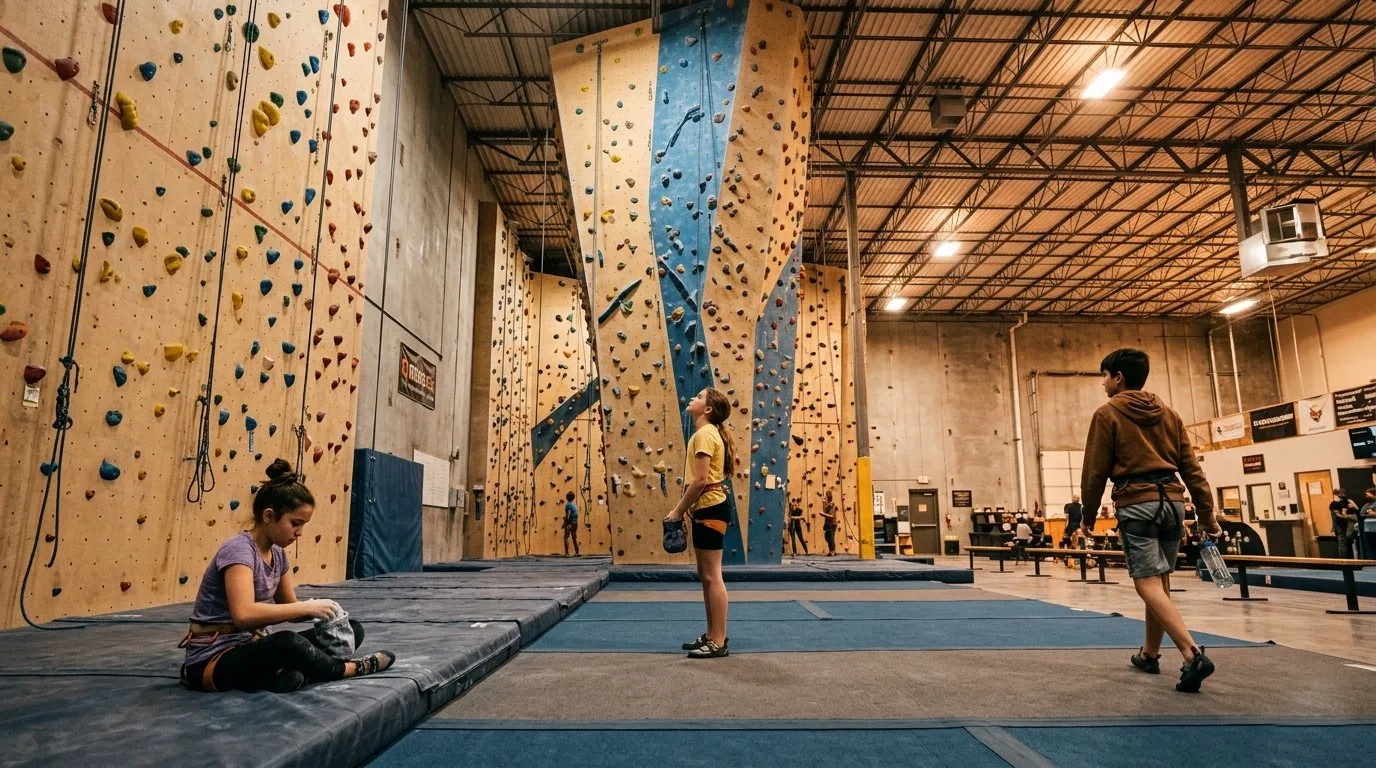
Young climbers resting between routes in an indoor climbing gym
The team

The people who built this science have spent their careers on it.

2 doctorates. A former Olympic Team Member. A board-certified pediatric sports medicine physician at Stanford Children’s Health. Each domain of readiness is owned by the person who built the science behind it.

Body
Dr. Matt Kritz, Founder and CEO
Dr. Matt Kritz, PhD, CSCS
25 years building performance systems in elite sport, across 40+ Olympic medal performances. Founder & CEO. Author of The Art of Ready.
Mind
Brian Alexander
Brian Alexander, MA, CMPC
Former Olympian, U.S. Water Polo. Certified Mental Performance Consultant. Co-Founder and Mind domain lead.
Energy
Dr. Richard Swinbourne
Dr. Richard Swinbourne, PhD
Sleep scientist and dietitian. 15+ years in elite sport. Co-Founder and Energy domain lead.
Study PI
Dr. Alexandra Abbott
Dr. Alexandra Abbott, MD
Principal Investigator, validation study. Board-certified pediatric sports medicine physician at Stanford Children’s Health.
The ecosystem

R1 doesn’t exist in a vacuum.

The youth sport research community has been documenting this crisis for years. R1 is the first tool built to generate the individual-level data that answers their questions.

Aspen Institute / Project Play

For two decades, Project Play’s State of Play reports have given the field its clearest picture of the youth sport participation crisis. Their work has documented the numbers at the population level with more authority than anyone else in the space.

What population-level research has never had is individual-level readiness data to explain the patterns it tracks. R1’s Layer 3 architecture is built for exactly this: de-identified datasets available under Data Use Agreements to research institutions whose questions align with what the data answers. That is the kind of partnership R1 is designed to enable – for Project Play and for institutions like them.

R1’s research draws on and is designed to advance the Aspen Institute’s body of work.

Girls in sport: a specific partnership opportunity

Girls’ participation is at record highs – but no system measures whether they’re ready to sustain it. R1 will generate the first gender-disaggregated readiness dataset at national scale.

48.4%
Latina girls now participating in sport – up from 39.5% in 2019. The fastest growth of any demographic group, with zero readiness infrastructure to support it. (McKinsey Institute for Economic Mobility)

Foundations with gender-equity mandates have a direct partnership opportunity to fund the data that makes girls’ readiness visible for the first time.

The architecture is built. The evidence engine is ready to run. The only thing left is the capital to turn it on.

The right next step is a conversation, not a form.