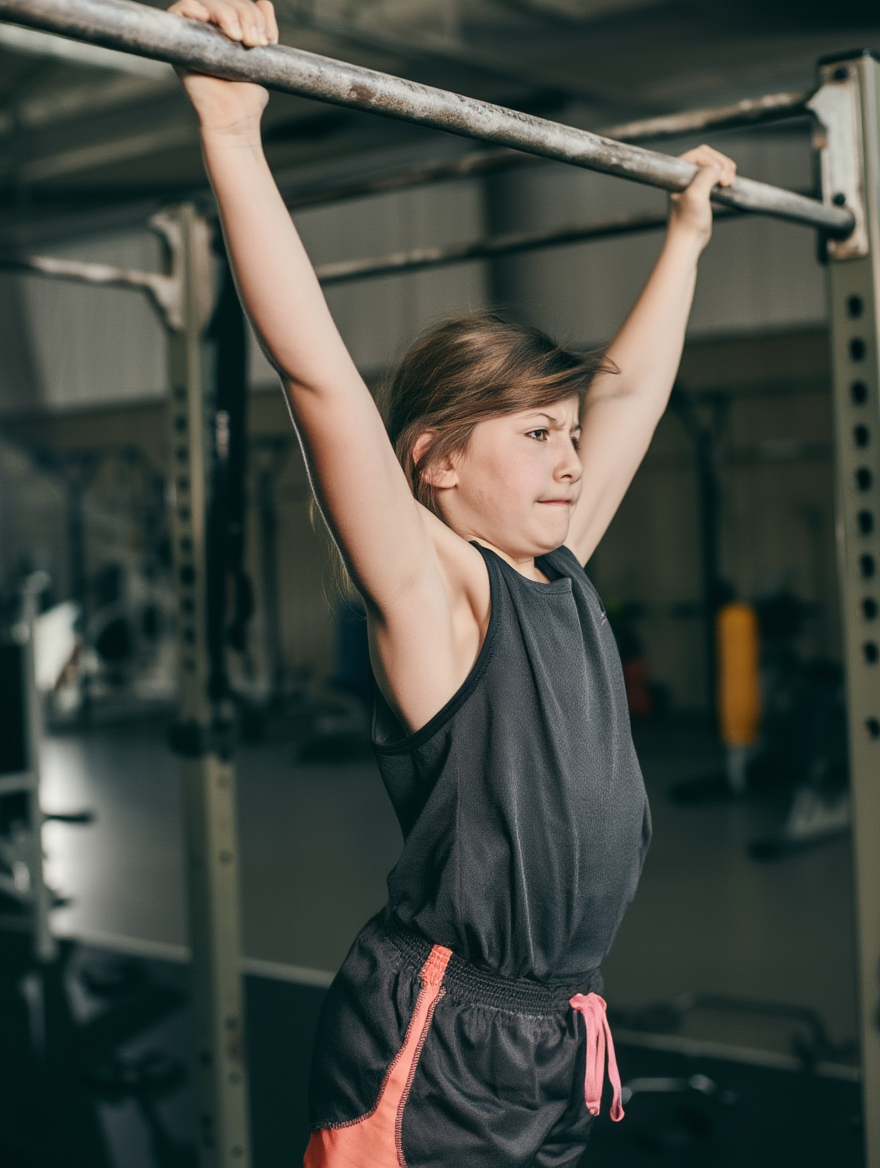
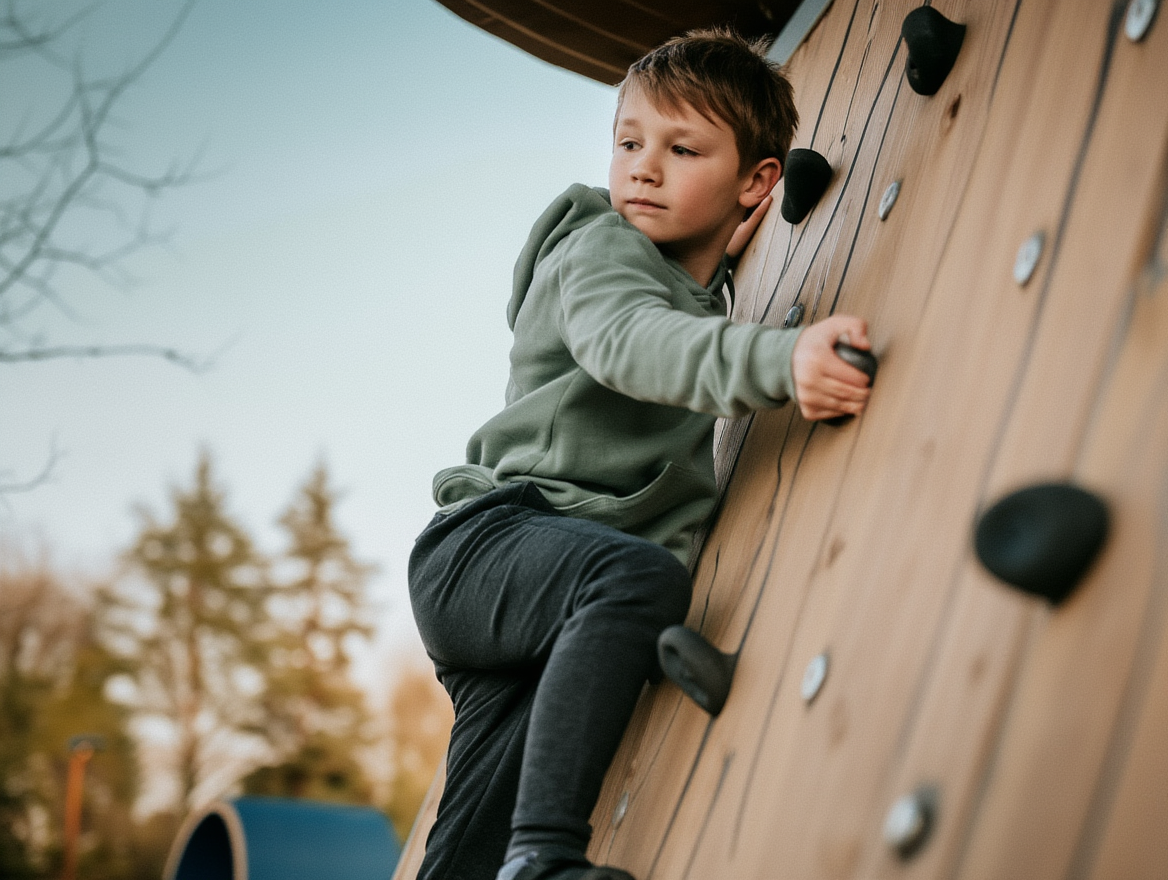
Movement competency is not a sports concept. It’s a health concept. The distinction matters because it changes the urgency.
The wrong frame
Most parents think about their child’s physical development in terms of sport performance. Can she keep up with the other girls? Is he strong enough for the varsity team? Those are reasonable questions, but they’re the wrong frame. The real question is simpler and longer: what kind of body will this child live in for the next seventy years?
The answer to that question is being written right now – during childhood and early adolescence – whether anyone is paying attention to it or not.
The bone density window
The research on this is clear and consistent. The bone density a child builds before and during puberty forms the structural baseline they will draw down from for the rest of their life. Peak bone mass is largely determined by age 20. What gets built before that point stays. What gets missed is extraordinarily difficult to recover.
Children who build foundational strength, coordination, and body control in their early years are not just better athletes in the short term. They carry better proprioception into their 30s and 40s. They have lower rates of osteoporosis later in life. They are more likely to remain physically active as adults. The evidence trail on this runs decades long and points in one direction.
The neuromotor window
There is also a window that closes. Neuromotor learning – the process by which the nervous system learns to coordinate movement efficiently – is most responsive before and during early adolescence. This is not a reason to pressure children into training. It’s a reason to ensure the physical environments they’re in are actually developing them, not just using them.
Organised sport, on its own, does not reliably do this. Sport loads the patterns that already exist. It does not build the ones that are missing. A child who plays three sports a year but has never been taught to hinge properly, to push from a stable base, to land with control, is accumulating sport exposure on top of an undeveloped foundation. The load goes somewhere. Often it goes to the wrong places.
The injury pattern nobody talks about
A structurally gifted child can look fine for years while quietly accumulating the kind of movement deficits that become injuries at fifteen or sixteen – right when the sport demands go up and the stakes feel highest.
This is not hypothetical. It’s one of the most consistent patterns in youth sport medicine. The injury isn’t the result of a single bad event. It’s the result of years of load going through a structure that was never prepared to receive it. By the time the injury happens, the window to have prevented it easily has already closed.
What changes that outcome is early, deliberate, progressive development of those seven fundamental movement patterns – not to produce elite athletes, not to accelerate performance, but to build bodies that are ready for whatever life asks of them, in sport and well beyond it.
A small investment with a lifetime return
Twenty to thirty minutes, a few times a week, through patterns that every human body was built to perform. The investment is small. The return compounds over a lifetime. And unlike almost every other intervention in youth sport, this one requires nothing more than the child’s own body, a program that understands where they are developmentally, and enough consistency to let the adaptation take hold.
The children who build this foundation are not just more resilient athletes. They are more capable, more confident, more physically fluent human beings. That is what the evidence shows. That is what we are here to build.
See the study that will measure this.
R1 ReadyFirst is conducting the first national readiness study for youth athletes – up to 100,000 children, across multiple sports, over two years. The Body domain is one of three pillars being tracked from the start.