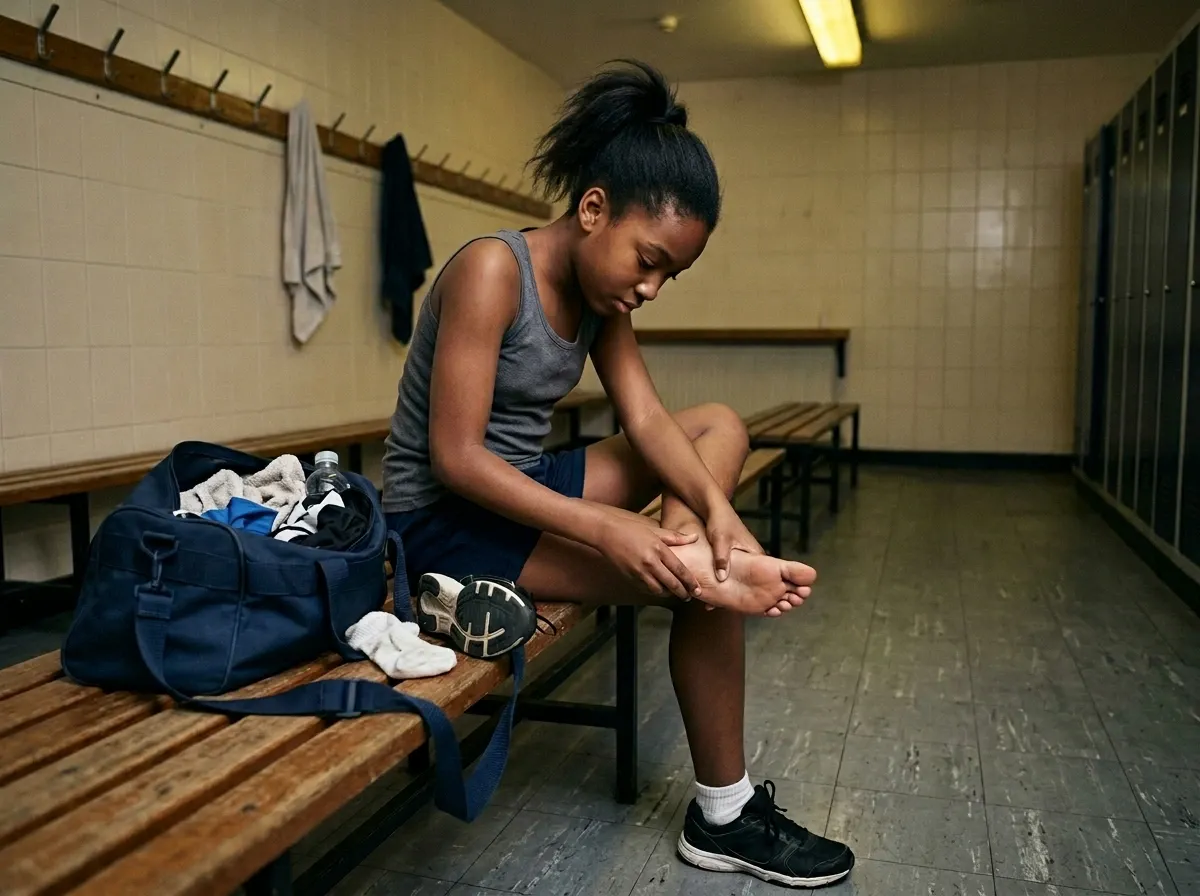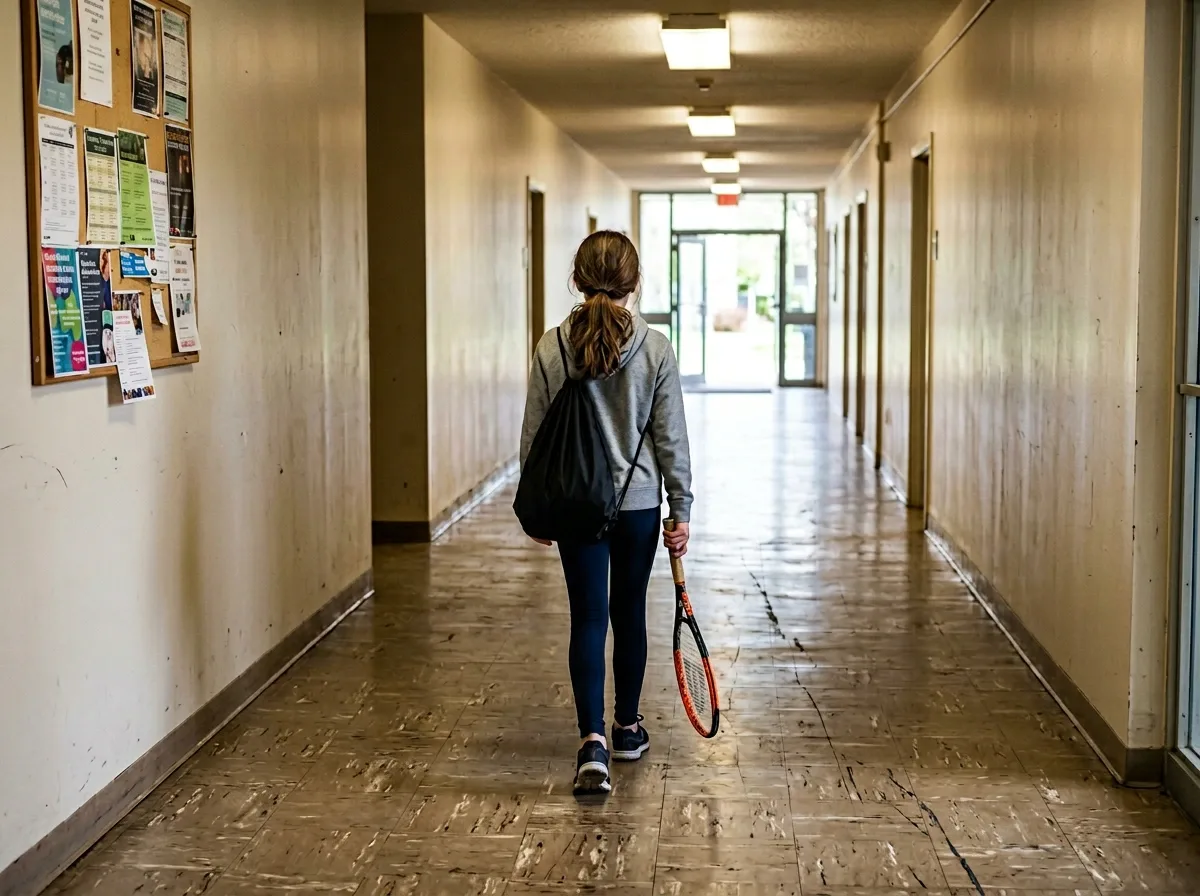
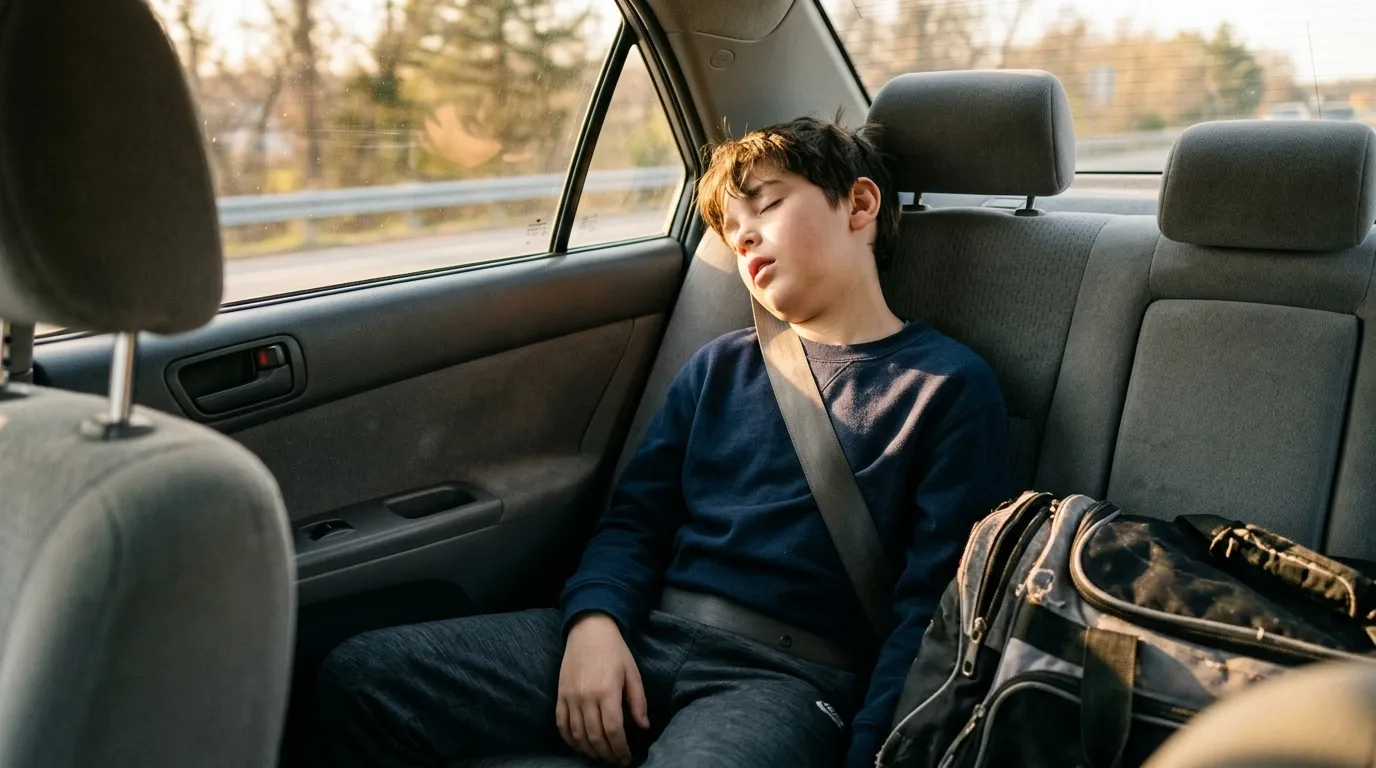
Recovery is not what happens after sport. It is what makes participation possible in the first place.
Recovery is not a reward – it’s a requirement. When adults design systems that restore energy, youth don’t have to quit to survive. Sustainable participation depends on sustainable recovery.
Many youth sport systems assume recovery will just happen. Kids will sleep. Stress will pass. Energy will return. But in today’s world – academic pressure, social stress, early specialization, packed schedules – recovery energy is often the most depleted resource youth bring to sport. And when recovery is missing, everything else collapses.
Systems that extract energy without restoring it
Recovery energy drains when adults overschedule without considering total life load, treat fatigue as a mindset problem, ignore sleep, stress, and emotional regulation, expect consistent performance without restoration, and leave kids alone to manage adult-sized pressure. These systems create chronic depletion – not resilience.
Recovery energy includes sleep quantity and quality, emotional regulation, psychological safety, nervous system downshifting, and time away from performance. Without it, training stress becomes a threat. Motivation turns into anxiety. Bodies stop adapting.
Burnout is not a mystery
Burnout happens when stress is constant, control is low, rest is insufficient, and support is inconsistent. Kids don’t burn out because they care too little. They burn out because they care too much for too long without relief.
Making recovery a system feature
The work starts with acknowledging total load – not just sport load. Youth don’t arrive at practice as blank slates. It means designing predictable rhythms: clear start and end times, protected recovery days, seasonal ebbs and flows. It means modeling regulated leadership – staying calm under pressure so kids learn regulation by example. And it means treating emotional processing as part of sport: making space for reflection, naming emotions, and closing practices intentionally.
See readiness in action.
R1 is building the first national readiness study for youth athletes. 100,000 children across multiple sports.